Key Takeaways
|
To evaluate a pre-IPO secondary deal, focus on thorough due diligence, including the company’s fundamentals, the deal’s specific terms, and the broader market context. These deals can offer early access, but they often come with limited information, strict rules on share transfers, and real liquidity risk, so the details matter before placing a bid.
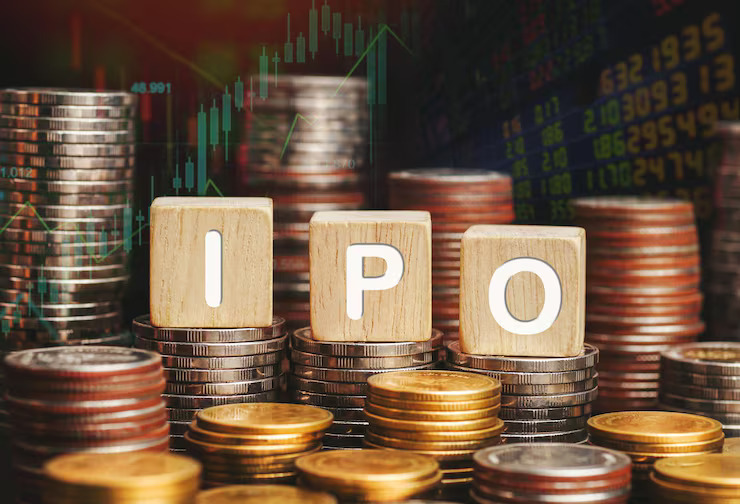
Before evaluating private deals, it helps to understand what an IPO stock is. An IPO, or initial public offering, is when a private company sells shares to the public for the first time. Once that happens, anyone can learn how to buy IPO shares through a brokerage account.
A pre-IPO investment happens before this public listing. Shares are bought directly from early investors or employees instead of on a stock exchange. Because of this structure, pre-IPO companies are less transparent and harder to evaluate.
This is why understanding how to invest in IPOs starts with learning how private markets differ from public ones.
The secondary market is where pre-IPO investing usually happens. Instead of buying shares from the company itself, investors buy shares from existing shareholders who want liquidity.
This market exists because many pre-IPO companies delay going public for years. Secondary platforms allow investors to learn how to buy pre-IPO stock by placing bids on available shares. However, access is often limited, pricing varies, and company approval is usually required.
Understanding how this market works is essential before deciding how to buy IPO stock indirectly through private deals.

The first step in evaluating any pre-IPO deal is reviewing the company’s fundamentals. This includes revenue growth, customer demand, and whether the business model makes sense long-term.
Even though pre-IPO companies do not release full financial statements, useful information can still be found. Press releases, interviews, funding announcements, and the company’s website often reveal growth trends and strategic priorities.
Strong leadership also matters. A management team with a proven track record increases confidence in pre-IPO investing decisions. This step helps investors understand whether learning how to invest in IPOs is worth the risk for a specific company.
Not all shares offered in pre-IPO deals are the same. Understanding the share class is critical when learning how to buy pre-IPO stock safely.
Common shares are often sold by employees, while preferred shares are usually held by early investors. Preferred shares may include benefits such as liquidation preferences or protection against dilution. These features can significantly affect returns after an IPO.
When exploring how to buy IPO stock indirectly, investors should confirm exactly what rights come with the shares. This knowledge is essential for evaluating risk in pre-IPO investing.
Pricing is one of the most misunderstood aspects of pre-IPO deals. Investors should compare the asking price to the company’s most recent valuation from funding rounds or secondary transactions.
A discounted price may look attractive, but it can signal hidden risks. On the other hand, paying too much limits upside even if the IPO succeeds. This balance is central to how to invest in IPOs effectively.
Understanding valuation also helps clarify what is an IPO stock worth once it reaches public markets. Thoughtful pricing analysis improves decision-making in pre-IPO investing.
Legal terms matter more in pre-IPO transactions than in public markets. Investors must review shareholder agreements, transfer rules, and approval requirements carefully.
Many pre-IPO companies enforce restrictions that limit when or how shares can be sold. Lock-up periods after an IPO may prevent immediate exits. Company approval or rights of first refusal can also delay or cancel transactions.
Anyone serious about how to buy pre-IPO stock must understand these details. Clear terms reduce surprises and help set realistic expectations around how to buy IPO shares later.
Liquidity is one of the biggest challenges in pre-IPO deals. Investors should assess how likely an exit event is and how long it may take.
Some pre-IPO companies openly discuss IPO plans, while others keep timelines vague. A history of internal share sales or buybacks can signal better liquidity prospects.
This step is critical for anyone exploring how to invest in IPOs because capital may be tied up for years. Clear liquidity expectations reduce frustration in pre-IPO investing.
No pre-IPO deal exists in isolation. Industry trends, competition, and economic conditions all influence outcomes. A strong company can still struggle if market conditions change.
Private investments carry higher risk than public ones due to limited information and oversight. Understanding these risks is essential before deciding how to buy pre-IPO stock or how to buy IPO shares later.
Evaluating the broader context helps investors decide whether pre-IPO investing aligns with their goals and risk tolerance.
Whether it is good to buy pre-IPO shares depends on expectations and risk tolerance. These deals offer early access but come with uncertainty, limited liquidity, and pricing challenges.
For those who understand what is an IPO stock and accept the risks, pre-IPO investing can be a way to participate in growth before public markets. However, it requires patience, research, and careful evaluation.
Learning how to invest in IPOs responsibly starts with applying these six tips consistently and understanding that not every opportunity will lead to a successful IPO.
Most securities trades must settle within three business days (T+3). That means payment is due within three days after a buy, and shares must be delivered within three days after a sale, depending on how the securities are held.
Deciding a bid price starts with comparing the company’s most recent valuation, revenue growth, and peer companies in the same industry. Investors should also factor in demand, limited share availability, and any discounts applied for lack of liquidity. A realistic bid leaves room for upside after the IPO rather than assuming immediate gains. Overpaying reduces flexibility if market conditions shift.
A pre-IPO allows investors to buy shares of a private company before it goes public, usually from employees or early investors. These transactions happen through private agreements or secondary marketplaces and often require company approval. Access is typically limited and subject to eligibility rules. Shares cannot be traded freely like public stock.
Pre-IPO offers provide earlier entry into high-growth companies before public market pricing. They may offer lower prices compared to an eventual IPO and allow participation in long-term value creation. Investors also gain exposure to companies that may not be available publicly for years. However, these benefits come with higher risk and limited liquidity.
Strong bid-ask strategies involve reviewing recent secondary trades and placing bids near realistic market levels rather than extremes. Patience is key, as sellers may negotiate or wait for better offers. Clear communication and flexibility can improve acceptance chances. Avoid emotional bidding driven by hype.
A secondary offering is neither inherently good nor bad; it depends on the company and deal structure. It can provide liquidity and access to private shares, but may also signal insiders seeking exits. The quality of terms and timing matter more than the offering itself. Each deal should be evaluated on its own merits.

Exploring pre-IPO opportunities starts with researching companies, comparing platforms, understanding key terms, and recognizing the risks that come with private-market investing. Taking a structured approach can make it easier to judge whether a deal is worth deeper consideration.
Buy Pre IPO Stock by Best connects individuals with advisors who can help evaluate opportunities, explain how secondary deals typically work, and walk through common decision points without the noise.
Interested in exploring next steps? Connect with an advisor through Buy Pre IPO Stock by Best today.
DISCLAIMER
This article is for informational purposes only and should not be considered financial, legal, or investment advice. Pre-IPO and secondary-market investments can involve significant risk, limited liquidity, and restricted access, and outcomes are not guaranteed. Any examples, terms, or references to platforms or services are provided for general education and are not endorsements, and availability, eligibility requirements, pricing, and deal terms may change without notice. Readers should consult a qualified financial or investment professional before making any investment decisions.
 IPO stocks become public at listing, while pre-IPO shares trade privately before that stage.